


Whether you’re commuting daily, planning long road trips, or simply looking for a car that fits your budget and values, knowing what to consider before you buy is essential. Furthermore, if you’re thinking about financing your new ride, having a clear picture of your options can make the whole process smoother and more affordable.
Petrol (ICE) Vehicles
Petrol cars, also called internal combustion engine (ICE) vehicles, are still the most common choice on Australian roads. One of their biggest advantages is affordability. They typically have a lower upfront cost compared to hybrids, PHEVs, or EVs, making them a practical option for first-time buyers or anyone on a tight budget. Refuelling is quick and convenient, with petrol stations available almost everywhere, making them ideal for long-distance driving or trips to regional areas.
However, running a petrol car comes with higher ongoing costs. Fuel prices can add up over time, and maintenance, like oil changes, exhaust servicing, and filter replacements, is required more frequently than for electric vehicles. Petrol cars also produce more emissions, which may influence your environmental footprint or your eligibility in future low-emission zones in some cities.

Key points to consider:
- Pros: Lower purchase price, widely available refuelling, reliable for long trips.
- Cons: Higher running and maintenance costs, more emissions, potential future restrictions in certain areas.
- Financing: Smaller loans and repayments make petrol cars an accessible choice for budget-conscious buyers.
Hybrid Vehicles
Hybrids combine a traditional petrol engine with an electric motor, offering a middle ground between petrol and fully electric vehicles. They are particularly suited to city driving, where the electric motor can reduce fuel consumption and emissions, but they still provide the flexibility of a petrol engine for longer journeys. Hybrids also deliver a smoother, quieter driving experience, making them appealing for daily commutes or family use.
The main trade-off is the higher upfront cost. Hybrid vehicles are generally more expensive than petrol cars, and their more complex mechanics can increase maintenance costs over time. Batteries may eventually need replacing, although most hybrids come with extended warranties to cover this.
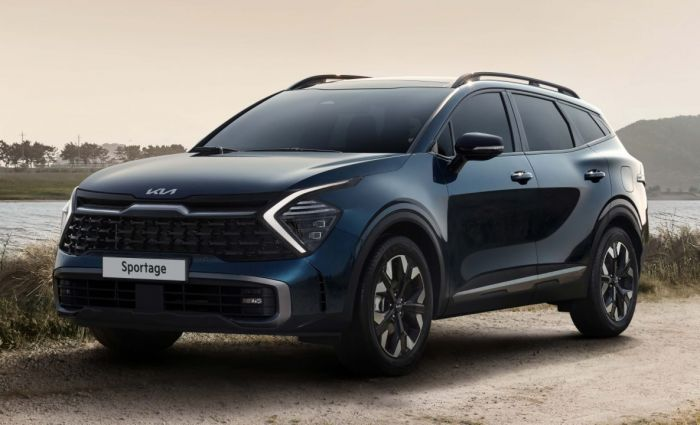
Key points to consider:
- Pros: Lower fuel consumption in city driving, smoother and quieter ride, gradual step into electric technology.
- Cons: Higher upfront cost, more complex mechanics, potential battery replacement in the future.
- Financing: Hybrids offer a balance between manageable loan repayments and long-term fuel savings, making them ideal for commuters or families looking to reduce running costs.
Plug-in Hybrid Electric Vehicles (PHEVs)
Plug-in hybrid electric vehicles (PHEVs) take the hybrid concept a step further by allowing you to charge the battery from an external source. This means you can drive short distances purely on electric power (perfect for city commuting) while still having a petrol engine as a backup for longer trips. PHEVs offer flexibility and can help reduce fuel costs and emissions when used mostly for short journeys.
The main considerations are the higher purchase price and the need for charging infrastructure to get the most out of the electric motor. While you can drive long distances without charging, using the electric mode regularly is essential to maximise the benefits. Maintenance is similar to hybrids, but battery longevity should also be considered.

Key points to consider:
- Pros: Short electric-only range for city trips, petrol backup for long journeys, lower emissions when used as intended.
- Cons: Higher upfront cost than hybrids, charging infrastructure needed for full benefits, battery replacement considerations.
- Financing: PHEVs can be more expensive upfront, but finance options make them accessible, particularly for commuters who want to combine EV benefits with petrol reliability.
Electric Vehicles (EVs)
Fully electric vehicles run entirely on battery power, offering zero exhaust emissions and low running costs. EVs are increasingly popular, thanks to technological advances, government incentives, and growing charging infrastructure. They deliver a smooth, quiet driving experience and can be cheaper to maintain than petrol or hybrid cars since they have fewer moving parts and don’t require oil changes.
In addition, EVs can offer financial benefits through novated leases. As of January 2026, electric vehicles may qualify for full FBT (fringe benefits tax) exemption, meaning employees can enjoy tax savings when using a novated lease to finance their EV. This can make the higher upfront cost more manageable and improve overall affordability.
On the flip side, EVs may have a higher purchase price compared to petrol or hybrid cars, and charging times can be longer than refuelling a traditional vehicle. Access to charging stations is still a factor in some areas, and battery lifespan is something to consider, though most modern EVs come with substantial battery warranties.
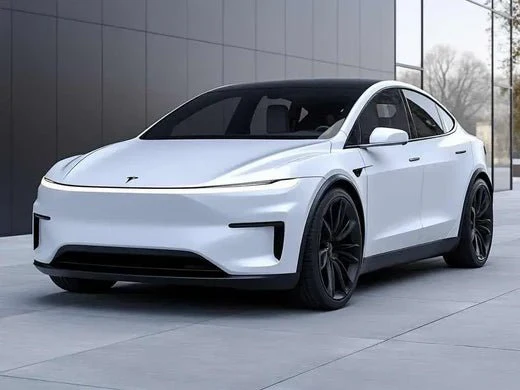
Key points to consider:
- Pros: Zero exhaust emissions, low running and maintenance costs, government incentives, quiet and smooth drive.
- Cons: Higher upfront cost, charging time and infrastructure considerations, battery lifespan concerns.
- Financing: Novated leases and asset finance can make EVs more attainable, particularly when combined with FBT savings or other government incentives.
Key Considerations Before Buying
Choosing the right vehicle isn’t just about the type of engine,it’s about matching the car to your lifestyle, budget, and future needs. Before making a decision, consider the following:
- Daily driving habits
Think about how far you travel each day and the type of roads you drive on. EVs and PHEVs are ideal for city commutes, while petrol or hybrids may suit longer trips.
- Fuel and charging infrastructure
Check the availability of petrol stations or EV chargers near home, work, and along your typical routes. Convenience matters.
- Environmental impact
If reducing emissions is a priority, hybrids, PHEVs, and EVs offer significant benefits over petrol vehicles.
- Long-term running costs
Consider fuel, maintenance, and potential battery replacement. Sometimes a higher upfront cost can mean lower ongoing expenses.
- Resale value
Some vehicle types retain value better than others, particularly EVs and hybrids as the market grows.
- Finance and affordability
Acquiring finance can make even higher-priced vehicles more attainable, letting you balance monthly repayments with lifestyle needs.
Conclusion
Choosing between petrol, hybrid, PHEV, or electric vehicles comes down to understanding your needs, your budget, and the practicalities of your lifestyle. There’s no one-size-fits-all answer, but weighing the pros and cons of each option can help you make a confident, informed decision.
If you’re considering financing your next car, a loan can make even higher-end or electric models more accessible. By combining the right vehicle choice with the right finance solution, you can enjoy a car that fits both your lifestyle and your budget without compromise.
Ready to take the next step? Talk to our team today to explore finance options that work for you, so your new car is closer than you think.